MYXORA · EMOTIONAL WELLNESS
Most mood apps produce nothing worth coming back for.
ROLE
Sole Product Designer
SCOPE
UX · UI · Interaction · Prototype
PLATFORM
CONTEXT
Emotional Wellness


PROBLEM
Mood tracking fails because nothing is at stake.
Every mood app I audited was built around data. Log a feeling, get a chart. That model works fine if you're the kind of person who finds charts motivating. Most people aren't, and nobody was building for them.
01
Nothing is produced
People said things like "this is just my chart" and moved on. Colors, words, a graph. Nothing they could point to or return to with any feeling of ownership. Data without meaning accumulates into nothing.
02
Nothing is at stake
The app doesn't change because you showed up. It doesn't dim because you didn't. Quitting costs nothing so quitting is easy.
02
The interaction model is backwards
Typing "anxious" into a text field at the start of a session rarely creates the relief people are looking for. You haven't processed anything yet. Every app asks you to name the feeling before you've had it, which is exactly the wrong order.
04
The aesthetic gap
Apps that try to feel warm go juvenile. Apps that look serious go clinical. People who want emotional warmth without childishness, or structure without clinical coldness, have almost no products designed for them.
The problem is not getting people to track. It is making sure they lose something when they stop.
WHO THIS IS FOR
Ages 13 to 35. Already rejected everything else.
This user already journals. They've downloaded other tracking apps and deleted most of them, not because they stopped caring about their mental health, but because the experience felt procedural and emotionally flat. They want something expressive without becoming childish, and reflective without feeling clinical.
Acquisition depends heavily on the product looking visually distinct in a category where most wellness apps blur together. Potion reveals and companion evolution create naturally shareable moments without requiring users to expose raw emotional vulnerability publicly.
The free experience needed to feel complete on its own. If the ritual only became meaningful after payment, the product would struggle to build trust or attachment in the first place.
The paywall appears once familiarity with the companion has had enough time to form. If someone reaches brew 14 and still feels no attachment, the system likely has not created enough long-term value yet.
MARKET GAP
No one owns the space between clinical and childish.
The market splits into two camps and neither of them solves the backwards interaction model. Both ask you to articulate before you feel. Neither produces anything worth keeping.
APP
TONE
WHAT'S MISSING
CENTRAL THESIS
The companion system became the core differentiator.
I became more interested in why people return to emotionally expressive products more consistently than traditional tracking tools.
The companion system became the mechanism that made long-term attachment possible. They form from accumulated behavior over time rather than a customization screen. Instead of reflecting who users want to appear as, they gradually reflect recurring patterns in interaction and mood.
Without them, Myxora is just a prettier Daylio. With them, the product creates a stronger sense of continuity and attachment over time.

Calm dominant
Soft rounded wings. Teal aura. Serene posture. Appears when peace and clarity lead the week.

Heavy / anxious
Storm cloud above. Angular wings. Muted aura. Appears after 3+ consecutive heavy brew days.
Joy dominant
Gold chest spark. Warm open wings. Radiant aura. Dominant when joy and love lead the week.
THE SYSTEM
Every part of the product gradually feeds into the companion system.
The companion system starts responding from the first interaction rather than functioning as an end-state reward. They are what every session has been building toward from the first brew. Every screen in the product supports the same transformation loop: what was felt, and how does the system reflect it back over time?
SELECT
Mood Stones
Color-coded orbs, each mapped to an emotional state. You pick what pulls you. The color draws you in first. The label confirms what you already felt. Raw material for everything that follows.
BREW
Brew Elixir
The stones dissolve into the flask. The liquid fills with your color blend. A name generates from the combination. The name is generated for you instead of written manually. The fairy absorbs the color and shifts.
SAVE
Save to Sanctuary
The named potion is saved to your shelf and logged in the Apothecary calendar. Journal prompt appears after the reveal, optional, never required. Yours whether or not you write a word.
REFLECT
Sanctuary
Home screen. This week's shelf, the fairy who has absorbed every brew, a single quiet invite to brew today. They change whether or not you notice. The companion continues evolving quietly in the background over time.
The most rewarding moment, the potion reveal and name, happens before any journaling or reflection is asked for. You receive something first. The fairy shifts. Everything else follows from that.
WHISPERS
Sharing through the metaphor
You share your potion, its name, its stones, an optional caption. Not "I felt anxious today." An Elixir of Storm and Rain. The alchemy framing creates just enough distance that sharing feels safe. Friends-only, never public.
APOTHECARY
The history they are made of
Every potion becomes a glowing bottle in a calendar grid, colored by the blend of that day. Tap any entry to see the stones, the name, the journal note. This is what the fairy draws from. A personal archive rather than a passive dataset.
EXPLORATIONS
Three directions that didn't survive.
These were real directions. Each got built, tested against the system logic, and cut when the problems became clear.
EXPLORATION 01

Killed it
In early walkthroughs, testers stopped logging honestly within a session or two. They were dressing the fairy for how they wanted to feel, not how they actually felt. The system stopped reflecting what people actually felt.
EXPLORATION 02
HOW ARE YOU FEELING TODAY?
felt kind of weird… idk hard to say today
Write something to continue
Brew
flask hidden until journal complete
Killed it
In walkthroughs, the journal gate felt like homework before the reward. Everyone wrote the minimum to get through it. Requiring articulation before the brew removed the thing that makes reflection work. You need to feel something first, then name it.
EXPLORATION 03
NAME YOUR ELIXIR
Monday
Early testing outputs:
"Monday" · "ok i guess" · [left blank]
Killed it
Nobody knew what to call it. Every tester either typed "Monday" or left it blank. Auto-generation from stone combinations turned a chore into recognition: "that's actually exactly right."
DESIGN CONSTRAINTS
The real tensions this product had to design against.
Most tracking apps don't fail because of bad design. They fail because of assumptions that don't hold. I started from the failure modes.
KEY DESIGN DECISIONS
Three decisions that defined the system.
DECISION 01
The companion cannot be customized. They can only be earned.
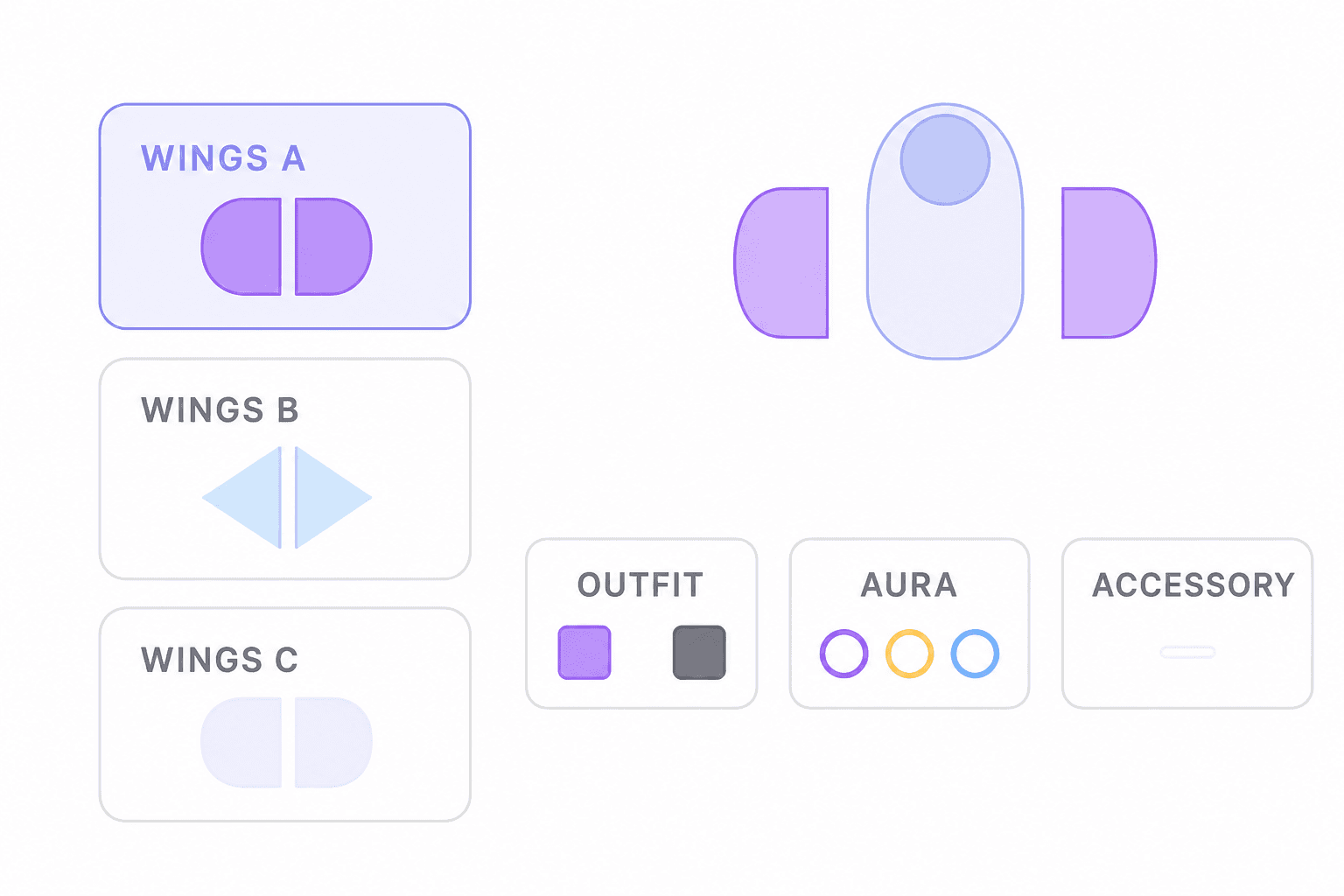
Early exploration gave users direct control over the fairy's appearance: wings, outfits, accessories. The prototypes looked fine. But something broke immediately. The fairy stopped being proof of anything. It became a reflection of what the user wanted to project, not what they had actually felt.
This became one of the product's core decisions. If users could design the fairy directly, the transformation loop lost its meaning. But if the fairy formed from emotional data over time, the changes became recognizable and earned.
The biggest challenge was making the evolution feel legible instead of random. If the fairy evolved in ways that felt disconnected from what someone actually logged, the emotional premise would collapse. Every visual change needed a legible behavioral input behind it. Not decorative variety. Earned specificity.
When the wings shifted after a difficult week, users understood why. The system was designed so recognition came before explanation.
FIRST INSTINCT
User-controlled customization
Wing selection, outfit options, accessories. Felt personal. In practice it became a dress-up game and the emotional mirror broke. Users disengaged within 2 sessions.
FINAL DESIGN
Data-driven evolution only
No choices. The fairy forms from your mood history. People appeared significantly more curious to return once the companion visibly reflected prior interaction history.
COMPANION EVOLUTION: DATA-DRIVEN, NOT CHOSEN
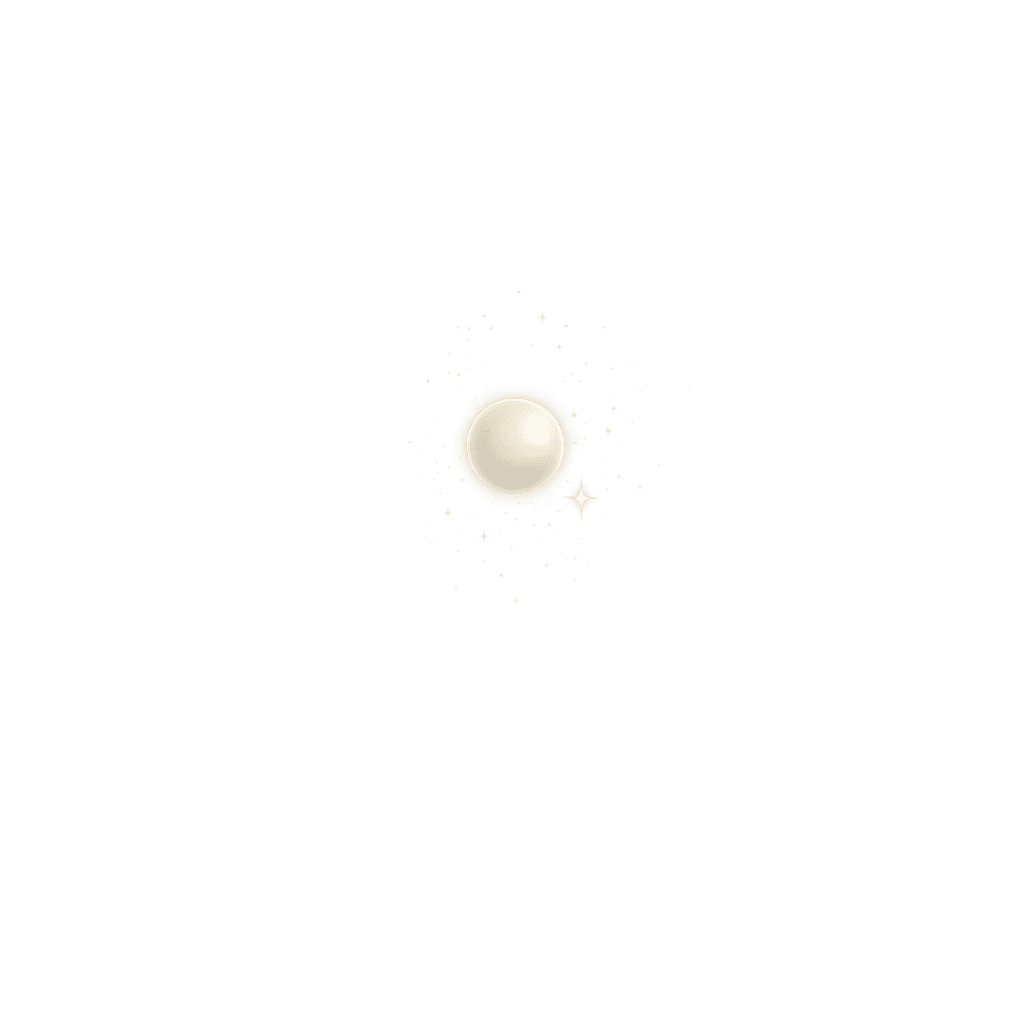
STAGE 01

The Spark
A glowing orb. No form. Pure potential.
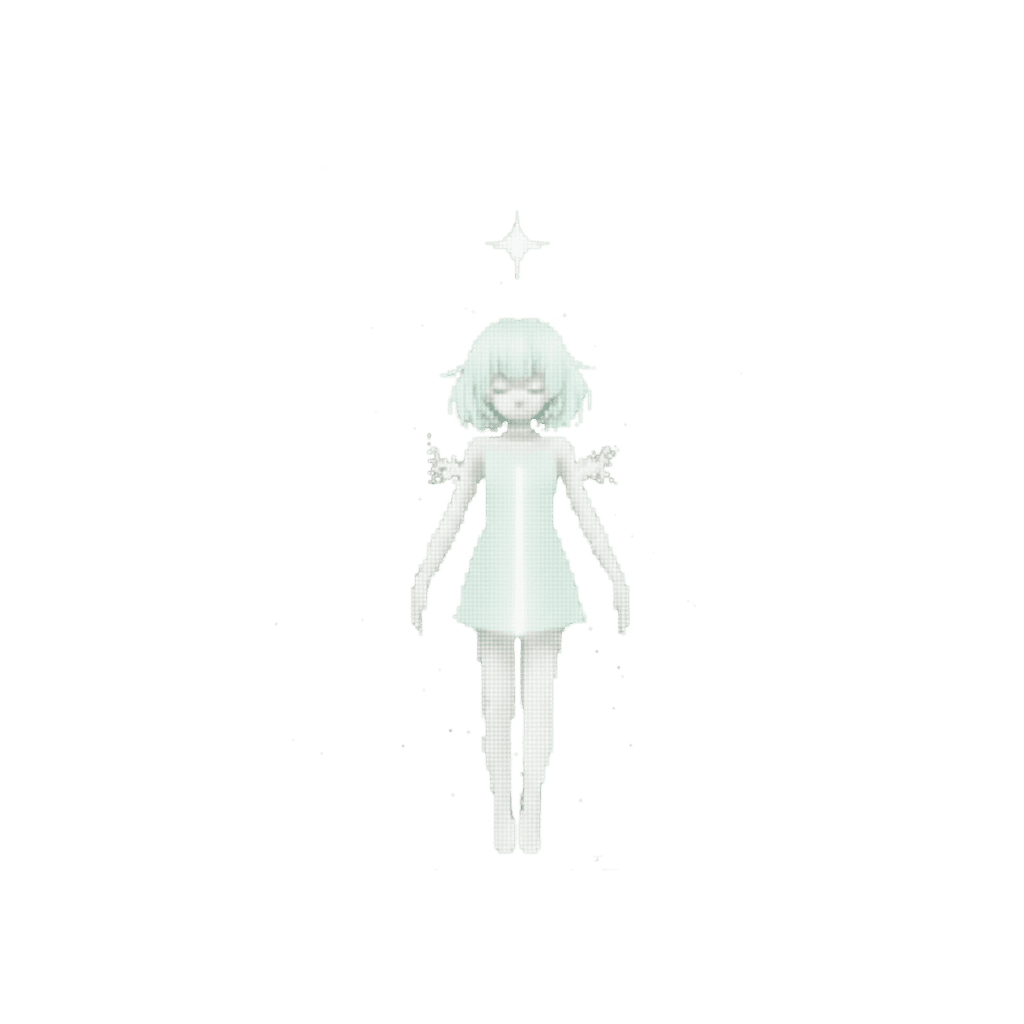
STAGE 02

Forming
A silhouette emerges. Translucent, no features yet.

Established
Wing stubs, form visible. Unique to your pattern.

Evolved
Full wings, halo, aura. Every detail driven by history.
DECISION 02
The paywall is not a feature gate. It is a moment of emotional readiness.
Most freemium products gate a feature. You get X for free, Y requires payment. That model made no sense for Myxora. Blocking the Apothecary or limiting stone selection would interrupt the core ritual, the exact loop that creates attachment in the first place.
Instead, the paywall is designed around the moment attachment is most likely to have formed: after 14 brews, when the companion's silhouette begins to flicker toward their full form. They almost appear. Then the screen holds. The user is not losing access to the ritual itself. They are being invited to see what the fairy becomes.
COMPANION EVOLUTION: DATA-DRIVEN, NOT CHOSEN

Brew 14
Gating earlier interrupted the emotional ritual before attachment had time to form. Gating later reduced the perceived value of unlocking the companion at all. The timing needed to sit after familiarity but before emotional momentum flattened.
WHY THIS MOMENT WORKS
DECISION 03
The name is received, not written. The journal comes after the reward.
The system interprets first. Reflection comes second.
Most mood-tracking apps ask users to explain emotions immediately: choose a label, rate intensity, write something. Myxora reverses that sequence.
Mood stones are selected visually first, with labels acting as confirmation rather than instruction. The same principle shaped potion naming. Early versions asked users to name their own brews, but most entered placeholders or skipped the step entirely. Generated names felt more recognizable and emotionally specific because the system interpreted the combination before asking users to explain it themselves.
The challenge was making generated outputs feel recognizable instead of arbitrary. If names or emotional outputs felt disconnected from what users actually selected, the system quickly lost credibility.
Journaling was moved after the potion reveal for the same reason. Reflection became more natural once users had already completed the emotional ritual instead of being asked to explain themselves upfront.
INTERACTION SEQUENCE: FINAL ORDER
1
See the stones, feel pulled toward a color, tap it. The label is there to confirm. It never asks you to start there.
2
Brew: flask fills, name generates, fairy absorbs the color. The reward lands first.
3
Journal prompt appears: optional, post-reward, in the glow of the result.
INTERACTION SEQUENCE: FINAL ORDER
The generated names felt more recognizable and emotionally specific than manually written ones.
REFLECTION
What this project reinforced. What remains unfinished.
01
The strongest decision I made was conceptual, not visual.
Framing it as alchemy meant people weren't logging emotions, they were making something. That framing solved friction problems I hadn't even designed for yet. The metaphor did more work than any individual screen.
02
I tried to make it a game and it fell apart.
Tasks, progress bars, rewards layered on top of the brewing ritual. It collapsed immediately. People stopped caring about what they actually felt because they were focused on completing things. Stripping all of it felt like a loss at the time. It wasn't. That was when it became the real product. Optimizing purely for daily engagement started distorting the emotional honesty the product depended on. Higher activity did not always mean healthier interaction.
03
Unlimited stone mixing broke the fairy.
An earlier version let people mix as many stones as they wanted per session. It felt generous. But potions became meaningless blends and the fairy stopped reflecting anything specific. Capping at five forced intentionality. It also made the generated name more accurate, which made the recognition moment actually work. The constraint ultimately made the system more legible and emotionally specific.
04
Every screen had to reinforce the companion system or it didn't belong.
That constraint made every design decision harder and better. I couldn't optimize one piece without thinking about what fed into it and what came out of it.
NEXT
Onboarding is still unsolved.
The ritual makes sense once you're inside it. Getting someone there without over-explaining is the hardest thing left. The prototype covers Sanctuary, Brew Elixir, Apothecary, and Whispers. Companion evolution and onboarding are designed in Figma and next in the build queue.
OPEN QUESTIONS
Things I haven't answered yet.
Does the alchemy metaphor land without explanation? Once you're inside the ritual it clicks. Getting someone there without over-explaining it is probably the hardest remaining problem. Onboarding is designed but has only been tested with a small group.
When does caring about the fairy start feeling like pressure instead of motivation? Attachment is the whole bet. But there's a point where it could tip, and I don't know where that line is yet for this specific user.
What happens when someone logs the same stone every day, or stops without cancelling? The frost state handles cancellations. Emotional flatness is different and the current system doesn't fully address it.